
Introduction
If you recently opened Tomb of Annihilation and saw a disclaimer, you may have wondered why it’s there and what it means. The Tomb of Annihilation disclaimer has become a topic of discussion among Dungeons & Dragons players, Dungeon Masters, and tabletop gaming enthusiasts who want to understand how older fantasy content is being presented to modern audiences.
The disclaimer is more than just a brief publisher’s note. It reflects broader conversations about representation, cultural sensitivity, historical content, and the evolution of storytelling in tabletop role-playing games. While some readers view it as a helpful piece of context, others see it as part of a larger trend in publishing where classic works are revisited and reexamined through a contemporary lens.
Whether you’re a longtime D&D fan or discovering the adventure for the first time, understanding the Tomb of Annihilation disclaimer can provide valuable context. In the sections below, we’ll explore its origins, significance, and the role it plays in shaping modern conversations about classic tabletop adventures..
What Is Tomb of Annihilation?
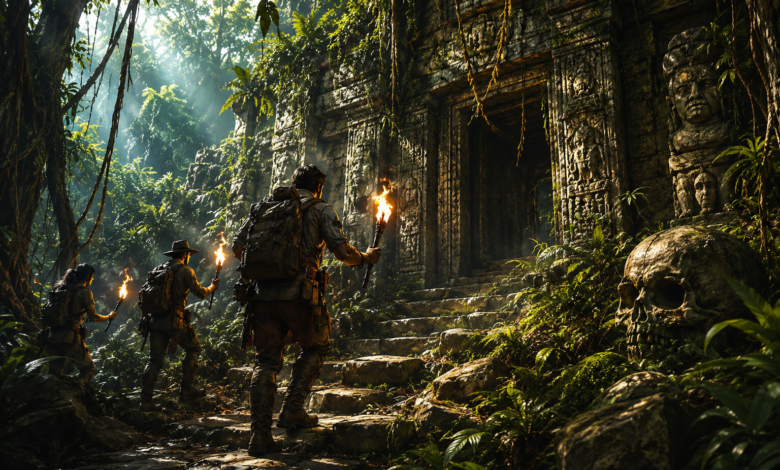
Tomb of Annihilation is a fifth-edition Dungeons & Dragons adventure published by Wizards of the Coast in 2017. It combines jungle exploration, survival challenges, ancient ruins, deadly traps, and classic dungeon-crawling elements.
The adventure takes place primarily in Chult, a mysterious tropical peninsula filled with:
- Ancient civilizations
- Lost cities
- Dangerous wildlife
- Undead creatures
- Hidden treasures
- Powerful magical artifacts
The campaign is heavily inspired by exploration stories, pulp adventure fiction, and classic D&D modules, particularly the legendary Tomb of Horrors adventure created by Gary Gygax.
Because of its setting and inspirations, the adventure includes cultural themes, fictional societies, and world-building elements that have received additional scrutiny recently.
What Is the Tomb of Annihilation Disclaimer?
The Tomb of Annihilation disclaimer is a publisher statement added to certain digital and re-released Dungeons & Dragons materials.
Its purpose is to inform readers that the content reflects the time in which it was created and may contain portrayals, descriptions, or cultural assumptions that modern audiences may find outdated or problematic.
Rather than altering every piece of historical content, the disclaimer provides context and encourages readers to understand the material within its original publishing environment.
In simple terms, the disclaimer says:
- The book is a product of its time.
- Some content may not align with current values.
- The publisher recognizes evolving perspectives.
- Readers are encouraged to approach the material thoughtfully.
Why Was the Disclaimer Added?
Rather than focusing solely on creating new content, the publishers also began examining older D&D adventures through a modern lens. Over the years, conversations within the gaming community highlighted how perceptions of culture, identity, and storytelling have evolved. These ongoing discussions influenced the decision to add explanatory notes to some classic titles, allowing readers to approach the material with greater historical awareness.
A number of important considerations contributed to the use of such disclaimers:
1. Evolving Social Awareness
What was considered acceptable decades ago may be viewed differently today.
Publishers increasingly acknowledge that audiences have become more aware of issues involving:
- Cultural representation
- Stereotypes
- Colonial narratives
- Diversity and inclusion
2. Preserving Historical Content
Instead of removing older works entirely, publishers often choose to preserve them while providing additional context.
This allows readers to:
- Study the original material
- Understand its historical significance
- Recognize areas that may not align with current standards
3. Transparency With Readers
Modern readers appreciate transparency.
A disclaimer helps establish that the publisher is aware of potential concerns and is not necessarily endorsing every element of the original work.
Understanding the Context of Chult
One reason discussions around the Tomb of Annihilation disclaimer often focus on Chult is because the setting draws inspiration from various real-world cultures.
Chult is portrayed as:
- Tropical
- Ancient
- Mysterious
- Dangerous
- Largely unexplored by outsiders
Critics have noted that some aspects of these portrayals resemble older adventure-fiction tropes that depicted non-European regions as exotic or uncivilized.
Supporters of the adventure argue that
- Chult contains rich world-building.
- It features powerful local leaders.
- It offers unique cultures and histories.
- The setting goes beyond simplistic stereotypes.
The disclaimer does not declare the adventure offensive. Instead, it acknowledges that readers may interpret certain elements differently today.
Does the Disclaimer Change the Story?
A common misconception is that the disclaimer alters the adventure itself.
In most cases, the answer is no.
The disclaimer simply provides context before the reader begins the adventure.
The core campaign generally remains the following:
- The same storyline
- The same locations
- The same characters
- The same encounters
- The same overall narrative
The goal is to inform rather than rewrite.
How Players Have Responded
The D&D community has expressed a wide variety of opinions regarding the Tomb of Annihilation disclaimer.
Supportive Viewpoints
Some players appreciate the added context because
- It encourages thoughtful discussion.
- It helps new players understand historical publishing practices.
- It acknowledges changing cultural perspectives.
These readers view disclaimers as educational tools rather than censorship.
Critical Viewpoints
Others argue that
- Readers can form their own conclusions.
- Historical works should be self-sufficient.
- Excessive disclaimers may influence interpretation.
These players often prefer minimal publisher commentary.
Neutral Perspectives
Many Dungeon Masters simply view the disclaimer as informational and continue enjoying the adventure without giving it significant attention.
The Role of Disclaimers in Modern Publishing
The Tomb of Annihilation disclaimer is part of a much larger publishing trend.
Today, disclaimers appear in the following:
- Books
- Movies
- Television shows
- Video games
- Comics
- Historical archives
Publishers use them to provide context rather than erase history.
Examples often include content that contains:
- Outdated language
- Historical stereotypes
- Cultural depictions
- Social attitudes from earlier eras
The objective is to balance preservation with awareness.
How Dungeon Masters Can Approach the Adventure
If you’re planning to run Tomb of Annihilation, there are several ways to ensure a positive experience for your group.
Learn the Setting Thoroughly
Spend time understanding Chult’s history, societies, and characters.
The more familiar you are with the setting, the more nuanced your portrayal will be.
Encourage Open Discussion
Before beginning the campaign, discuss:
- Player expectations
- Themes
- Tone
- Sensitive topics
A session zero can be extremely helpful.
Expand Local Perspectives
Highlight the voices and viewpoints of Chultan characters.
Doing so creates a richer and more balanced narrative.
Adapt Where Necessary
Every gaming group is different.
Dungeon Masters should feel comfortable adjusting material to better suit their players.
Common Misunderstandings About the Disclaimer
Myth #1: The Book Was Banned
This claim is false.
Tomb of Annihilation remains one of the most popular fifth-edition adventures.
Myth #2: The Entire Adventure Was Rewritten
In most versions, the disclaimer simply adds context.
The adventure itself remains largely unchanged.
Myth #3: The Disclaimer Means the Book Is Problematic
Not necessarily.
The disclaimer merely acknowledges that readers may interpret certain content differently today.
Myth #4: You Must Agree With the Disclaimer
Readers are free to form their opinions.
The disclaimer provides information rather than mandatory conclusions.
What Makes Tomb of Annihilation Still Popular?
Despite discussions surrounding the disclaimer, Tomb of Annihilation continues to be widely respected.
Players frequently praise:
Challenging Gameplay
The adventure is known for meaningful consequences and strategic decision-making.
Memorable Exploration
The jungle hex-crawl offers a sense of discovery rarely matched in other campaigns.
Unique Atmosphere
The combination of survival, mystery, horror, and adventure creates a distinctive experience.
Legendary Dungeon Design
The final tomb remains one of the most talked-about dungeon experiences in modern D&D.
Lessons We Can Learn From the Disclaimer
The Tomb of Annihilation disclaimer highlights several broader lessons:
- Stories are products of their time.
- Audiences evolve.
- Historical context matters.
- Preservation and reflection can coexist.
- Fantasy settings can inspire meaningful discussions.
Rather than diminishing the adventure, many readers believe the disclaimer encourages deeper engagement with the material.
Conclusion
The Tomb of Annihilation disclaimer is ultimately about context rather than condemnation. It reflects an effort by publishers to acknowledge changing perspectives while preserving a beloved adventure for future generations. Whether you see the disclaimer as an important educational note, a publishing formality, or simply additional background information, understanding its purpose helps place the adventure within the broader history of Dungeons & Dragons.
More importantly, the discussion surrounding the disclaimer reminds us that storytelling evolves alongside society. Tomb of Annihilation remains a thrilling campaign filled with danger, mystery, exploration, and unforgettable moments. By approaching the adventure thoughtfully and understanding the context behind its disclaimer, players and Dungeon Masters can appreciate both the game’s history and its continuing evolution.
FAQs
What is the Tomb of Annihilation disclaimer?
It is a publisher’s note providing context about the adventure’s content and acknowledging that some portrayals may reflect older perspectives.
Why was the disclaimer added?
It was added to help readers understand the historical and cultural context of the material while preserving the original work.
Does the disclaimer change the adventure?
No. The disclaimer generally serves as contextual information and does not significantly alter the story.
Is Tomb of Annihilation controversial?
Some aspects of the setting have generated discussion regarding representation and cultural influences, but the adventure remains highly popular.
Should new players be concerned about the disclaimer?
Not necessarily. Most players simply read the note, understand its purpose, and enjoy the adventure as intended.
Is Tomb of Annihilation still worth playing?
Absolutely. Many fans consider it one of the best Dungeons & Dragons campaigns ever published thanks to its exploration, survival elements, and challenging dungeon design.

